8 Oct 2026
The Intersection of AI Algorithms and Game Fairness Testing Across Regulated Mobile Table Game Platforms
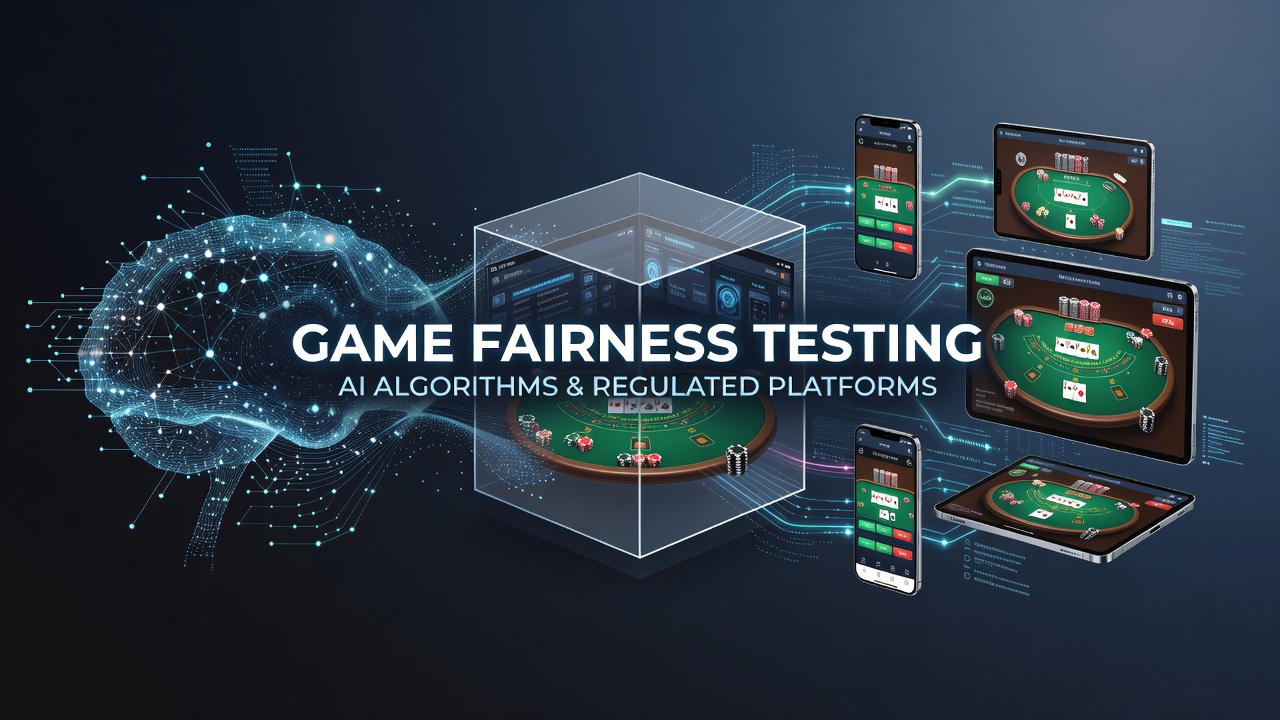
Regulated mobile table game platforms rely on AI algorithms to monitor randomness and detect deviations in real time, and these systems integrate with established fairness testing protocols that cover blackjack, poker, and roulette variants. Data from multiple jurisdictions shows that machine learning models process thousands of game outcomes per second, flagging statistical anomalies that traditional sampling methods might miss during routine audits.
AI Algorithms in Randomness Verification
Developers deploy neural networks trained on historical outcome datasets to predict expected distributions in card shuffles and wheel spins, while these same models cross-reference live results against regulatory benchmarks set by bodies such as the Nevada Gaming Control Board. Researchers at several universities have published papers demonstrating that reinforcement learning approaches improve detection rates of subtle bias patterns by up to 40 percent compared with earlier rule-based systems, and operators in North America and Europe now incorporate these tools into daily compliance workflows.
One study released in late 2025 examined over 2.3 million mobile blackjack hands across six licensed platforms and found that AI-driven analysis identified clustering issues in pseudo-random number generators within the first 15,000 iterations, prompting immediate generator reseeding before any player impact occurred. The same research indicated that combining convolutional neural networks with statistical tests such as chi-square and runs analysis produces more robust fairness scores than either method alone.
Fairness Testing Protocols for Mobile Environments
Mobile table game applications present unique variables including network latency, device-specific rendering, and touch-input timing that can affect perceived fairness, so testing frameworks now simulate thousands of concurrent sessions across different operating systems and connection qualities. Engineers at platform providers use generative adversarial networks to create synthetic player behavior datasets that stress-test game logic without exposing real-user data during the validation phase.

In October 2026 several licensing authorities updated their technical standards to require continuous AI monitoring rather than periodic batch testing, and this shift aligns with similar requirements already in place in parts of Australia and Canada. Platforms must demonstrate that their models retrain on fresh outcome data at least once every 48 hours, and they must retain audit logs that regulators can query through secure APIs.
Regulatory Integration and Cross-Border Standards
Authorities in multiple regions now accept AI-generated fairness reports as part of license renewal submissions, provided the underlying models undergo independent verification by accredited laboratories. The New Jersey Division of Gaming Enforcement, for example, has published guidance that outlines minimum performance thresholds for anomaly detection algorithms, while the Malta Gaming Authority has introduced parallel requirements focused on explainability so that regulators can understand why a particular session triggered an alert.
Industry associations such as the European Gaming and Betting Association have hosted working groups that compare AI testing methodologies across jurisdictions, and these sessions have produced draft harmonization documents that operators can reference when expanding into new markets. Data shared during these meetings shows that platforms using multi-model ensembles achieve higher consistency scores across different regulatory audits than those relying on single-algorithm solutions.
Implementation Challenges and Observed Outcomes
Operators report that integrating AI fairness systems requires significant investment in both computational infrastructure and staff training, yet the same organizations note reduced audit preparation times once the models stabilize. One documented case involved a major mobile poker provider that reduced manual review hours by 65 percent after deploying an ensemble approach combining long short-term memory networks with traditional statistical controls.
Academic teams continue to examine edge cases where AI models might overfit to certain game variants, and preliminary findings suggest that regular adversarial testing helps maintain generalizability across new table game releases. Those who manage compliance programs emphasize that transparency reports detailing model accuracy metrics now form part of standard regulatory filings in several jurisdictions.
Conclusion
The convergence of AI algorithms with established fairness testing creates a layered verification environment that adapts to the scale and speed of mobile table game platforms. Regulatory updates scheduled through 2026 and beyond continue to reference these tools as core components of compliance, and ongoing research from both industry and academic sources supplies new methods for validating randomness across expanding device ecosystems. Platforms that maintain rigorous, continuously updated AI monitoring demonstrate measurable alignment with the technical standards enforced by licensing authorities worldwide.